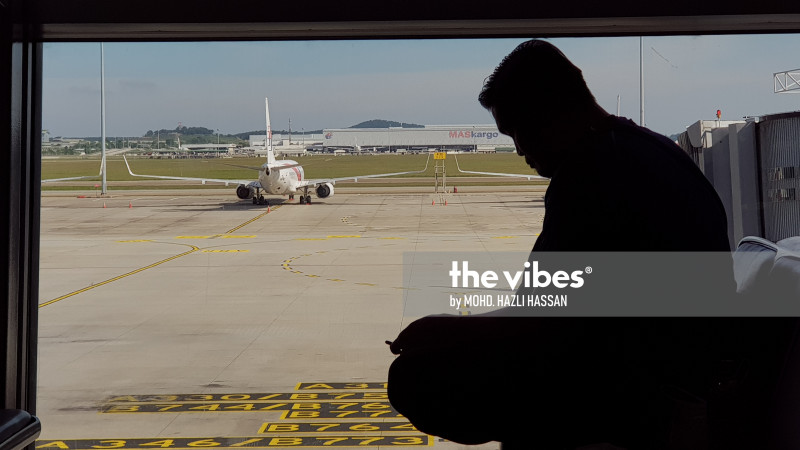

KUALA LUMPUR – Although there was criticism over the proposal made by the National Recovery Council (NRC) to reopen borders as early as March 1, medical experts are of the opinion that the move is inevitable and fitting as the country moves towards the endemic stage of Covid-19.
Dr Sanjay Rampal, a specialist on public health medicine and professor of epidemiology at Universiti Malaya’s Social and Preventive Medicine Department, said the border reopening is an appropriate move, as the world is inching more closely towards living sustainably amid the Covid-19 virus.
“We will not get any benefits from closing our borders, as the transmission of the Covid-19 Omicron variant has already been established in our community,” he told The Vibes, adding that the council’s decision to remove mandatory quarantine periods is also fair.
While strict border control and quarantine measures are useful in preventing the entry of new and dangerous variants, it is neither suitable nor cost-effective at this point in time.”
He added his belief that local infections should not see a surge in numbers due to the reopening, as the Omicron strain is already the prevalent variant in the nation’s daily caseload.
He said, however, that he would re-evaluate his stance if another more dangerous and widely transmitted variant were to appear in the near future.
Too early to lift border restrictions: former deputy health minister
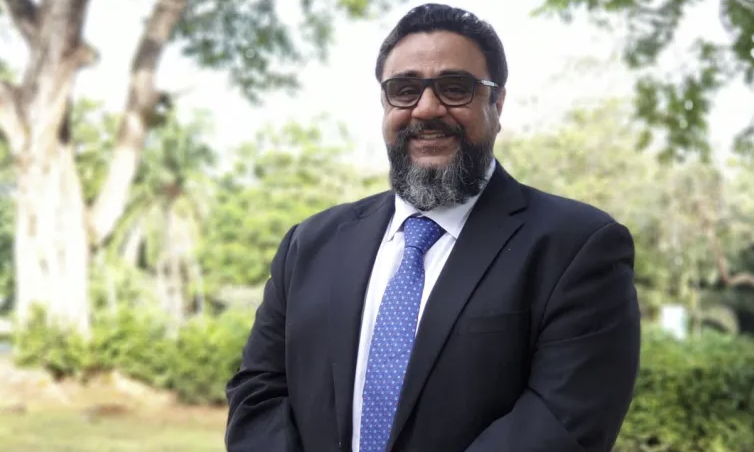
Former deputy health minister Dr Lee Boon Chye, meanwhile, had some reservations on the recommendation, particularly regarding the way in which it was announced.
Taking a jab at the NRC, led by chairman Tan Sri Muhyiddin Yassin, Lee questioned whether the proposal made had been coordinated with other ministries.
“Looking at how the announcement was made by the NRC, it looks as if Malaysia has three prime ministers. Between Muhyiddin, current prime minister Datuk Seri Ismail Sabri Yaakob, and Health Minister Khairy Jamaluddin, who is calling the shots?
The country cannot be run by three heads at the same time. There must be proper coordination between all relevant parties,” he told The Vibes.
He added that the announcement of the recommendation should not have been made if it has yet to receive the approval of the cabinet, adding that proper organisation discipline had not been observed.
Lee said while the reopening of borders cannot be avoided, the proposal comes at too early a time as the nation is currently only facing the beginning of the Omicron wave.
In March, the Omicron variant wave will be at its peak. We must have time to observe how our healthcare system copes with the increase of cases brought about by the wave,” he said.

Border reopening can be done in stages: medical researcher
The government, however, has the support of a local medical researcher, who spoke to The Vibes on the condition of anonymity.
According to the medical practitioner, the proposal is a “good move”, as it displays the council’s commitment to adapting to a new norm in the presence of the Covid-19 virus.
“The reopening of our borders will be good for business, and it was bound to happen, as we have closed the nation off for a long time now,” he said, adding his recommendation for the reopening to be done in stages according to reported outbreaks in other countries instead of an immediate ‘open for all’.
Any good idea must be supported with proper evidence and must be planned carefully. Proper steps will ensure that we live well through the endemic we are currently in.
“Since NRC has recommended to exclude the mandatory quarantine requirement, the onus is now on travellers and the public in general to seek treatment and isolate themselves if they are feeling unwell.
“Malaysians must play their part and understand that once the borders are reopened, the government is placing the responsibility on the public to take care of themselves,” he told The Vibes.
Following Muhyiddin’s recommendations, Defence Minister Datuk Seri Hishammuddin Hussein said the NRC’s proposal still needs to be studied by relevant ministries and government departments. – The Vibes, February 11, 2022








.jpg)